
It's Not Too Late To Prepare
(But it will be if you wait too long.)
Mortgage rates have increased.
Stock market is erratic and have left those with investments like 401ks scrambling.
Grocery store prices have skyrocketed since this time last year.
And gas...we don't even have to say it.
Where is the relief? Our government has buried itself so deeply in debt that they've run out of cards to play. Prices are not going back down. We must quickly learn to adapt and navigate this new terrain and position ourselves ahead of the curve like always.
The time is now to start inflation-proofing your lifestyle and make the necessary investments now that cannot be affected by any magnitude of government policy or overreach.
A perfect example of this is long-term food storage. A 25-year investment that is guaranteed to hold its value and will remain unchanged despite the labor shortages and supply chain issues in this country.
Solid investments are few and far between in today's economy so put your money into something you can trust.
Invest in emergency food storage now and enjoy peace of mind for the next 25 years. Don't miss out on the savings!
Where do you want to start:

Start Your Food Storage
Freeze-Dried Food is 'Food Insurance'
Freeze dried food IS food insurance.Dispel the myths of freeze dried and dehydrated foods, compare brands, research nutrition.
Storing a Variety of Grains
Learn how to store a variety of grains to your long term storage.
Food Storage Basics: Where to Start
Begin with food storage basics, throw in some canned or freeze-dried meats, and your own fresh-grown produce for well-balanced meals during any crisis.


Store and Purify Water
Where to Find an Emergency Water Supply
How to find an emergency water supply. How do you purify water for storage? Where am I going to store it? It takes up a lot of space and it's heavy. How much IS enough for my family? How much per day per person?
4 Best Ways to Purify Water From Any Source
It is becoming necessary to learn water purification methods for safe drinking water in most parts of the world — and maybe even right out of your tap.
Water Storage Basics
Learn where to find potable water in your home and in the wild, how to store it, and how to purify it to ensure your family has enough in a crisis situation.


Survival Skills You Need
Vegetable Gardening Tips - Growing Your Own Groceries
Vegetable gardening tips - Growing your own groceries with container gardening, indoor vegetable gardening or any small gardening plot.
The Best Ways to Cook a Hot Meal in a Power Outage
You'll never worry about a power outage again with the variety of ways available to cook your family a hot meal.
Survival Medicine For Grid Down Survival
Survival medicine is about being prepared for a crisis with emergency first aid kits, knowledge of herbal medicines, foods that heal, and preventative health care.


Preparing for Disasters
Preparing For Disasters
Learn about disaster preparedness and how to survive, whether at home and in the wild, to ensure your family is prepared.
Prepping Ideas For Cold Winter Days
Prepping in winter? Yes! There are plenty of ways to continue prepping in winter, even though the garden has been put to bed and it's too cold to go anywhere.
How to Avoid Heat Stroke and Heat Exhaustion
How to Avoid Heat Stroke and Heat Exhaustion


Survival Gear Needs
Benefits of Using Two Way Radios During a SHTF-Type Disaster
Why do you need a two way radio when you have a cellphone? Did you know cell networks and landlines could be useless in a SHTF-type situation? That's why.
How To Keep Warm in a Power Outage
Emergency Heating - How to keep the family warm when there is a power outage: space heaters, blankets, survival sleeping bags and ponchos.
Test Your Survival Gear - Go Camping!
You're Not Prepared if Your Survival Gear is Still in Boxes


Shopping Sources
Emergency Survival Supplies
Besides adding to your own emergency preparedness supplies, remember what great gifts they make for family and friends.
Book of Prepping Lists
Are you struggling to prepare your family? Have you thought to yourself, 'If I only had a list, I could really wrap my head around all this prepper stuff'."
How To Cook With a Solar Oven
Cooking with a solar oven can save money on electricity in normal times and provide hot meals when there is no electricity.


Recent Articles


-
Unrealistic for me
I have never in my life bought wheat. The only cornmeal I’ve ever bought is a box of Jiffy cornbread. A 5 lb bag of flour will last me about 3 years. -
Freeze-Dried Food is 'Food Insurance'
 Freeze dried food IS food insurance.Dispel the myths of freeze dried and dehydrated foods, compare brands, research nutrition.
 -
How Can it Get Better Than That?
 My name is Cem Koyluoglu. I am a Food Engineer and I live in Istanbul. Freeze Drying was a fantasy both for me and for the industry when I graduated.
 -
Great Grandma Lives and Camps Totally Off-Grid
I went camping/fishing three times this summer. two times out of state and one time under 100 miles from home. Several days each trip. Took my newer -
Storing a Variety of Grains
 Learn how to store a variety of grains to your long term storage.
 -
Dry Canning and Freeze Drying Food
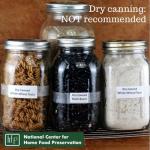 I would love nothing more than to see a series specifically on dry canning in metal cans like how Thrive packages theirs. There really isn't any accurate,
Need Help on a Specific Topic?

What do you think?
I’d love to hear what you have to say in the comments.
As an Amazon Associate, Family Survival Planning earns a small commission from qualifying purchases.
FTC DISCLOSURE
If you make a purchase via a link on this site,
I may receive a small commission on the
transaction, at no added cost to you.
Copyright ©2007 - 2021 FamilySurvivalPlanning.com. All rights reserved.
